Table Of Content
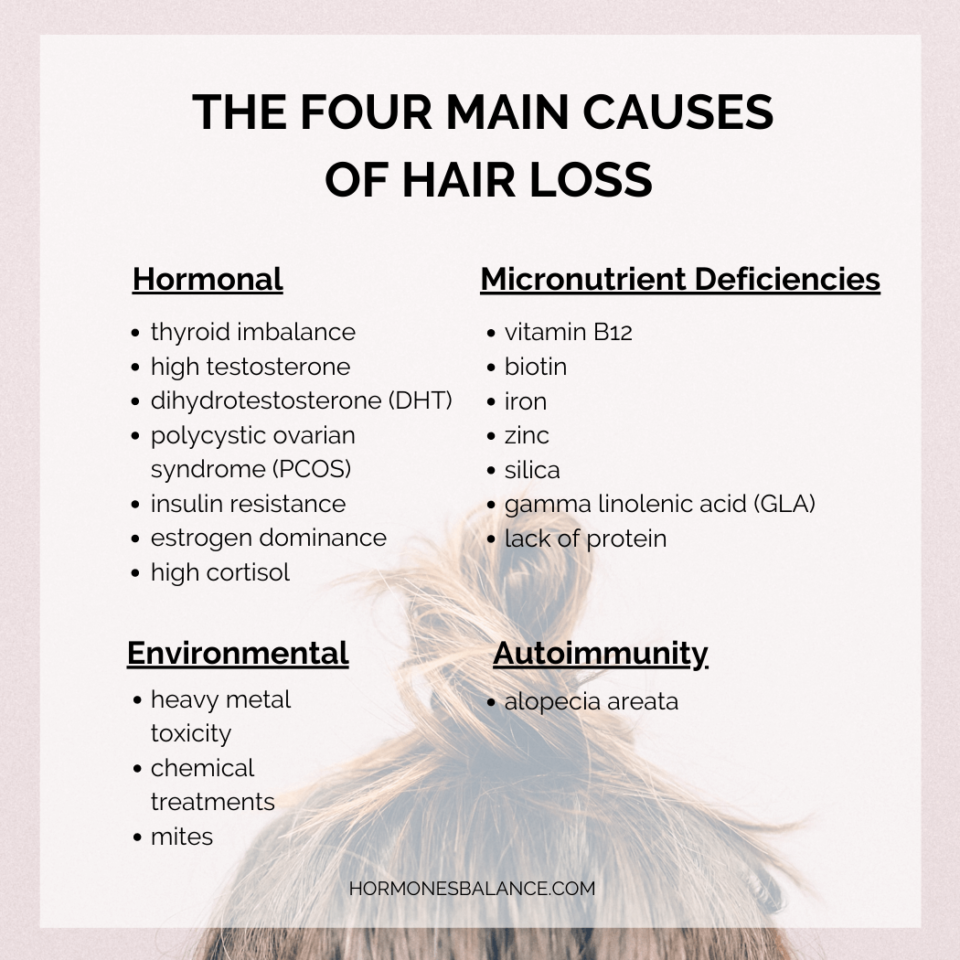
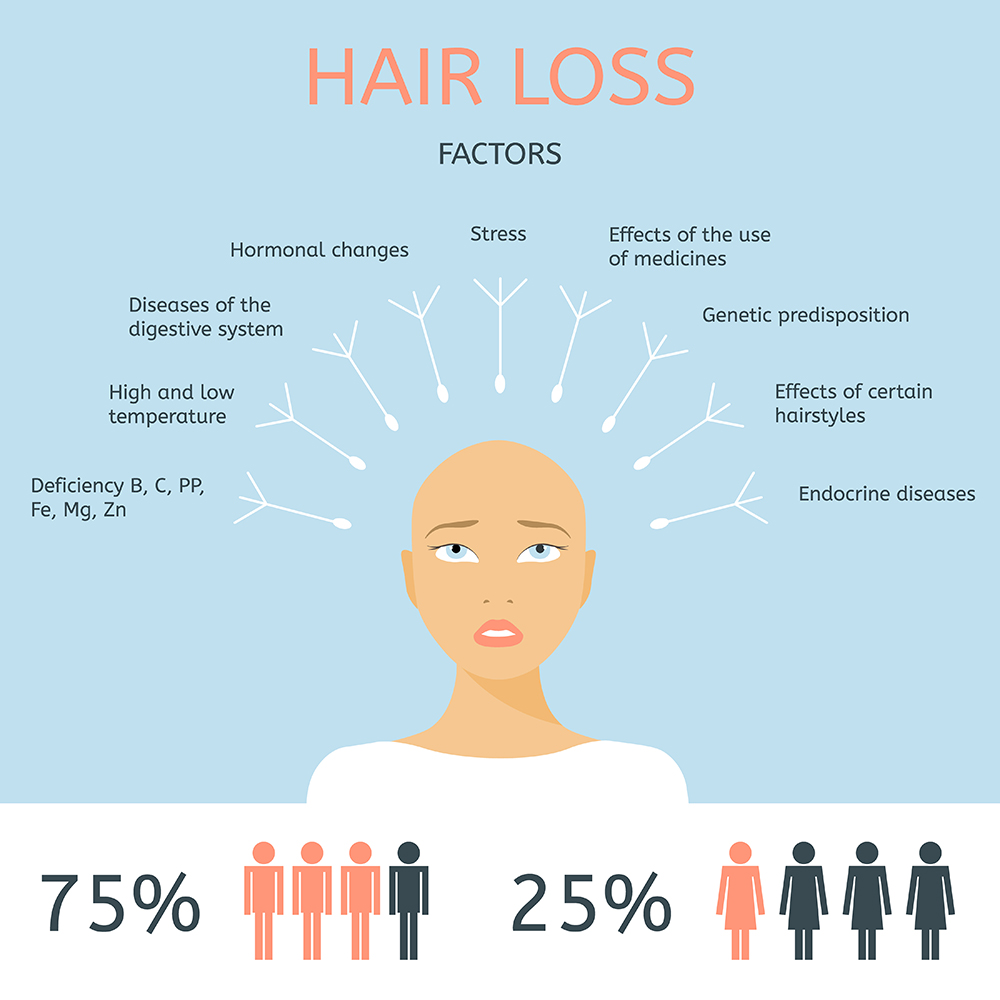
Skin conditions such as psoriasis and dermatitis can occur on the scalp and interfere with hair growth. Infections such as ringworm of the scalp and folliculitis can also cause hair loss. Physical and psychological stress can cause hair loss. Surgery, high fevers, and blood loss can cause enough stress to result in excessive shedding.
action: 'healthbeat'
Signs of hair loss and hair loss conditions vary between men, women and children. However, people of any age or sex may notice more hair collecting in their hairbrush or in the shower drain. If you notice hair loss, talk to your doctor as soon as you can. The FDA has approved a few laser treatment devices to treat hair loss at home. But we need more studies into their safety and effectiveness for long-term use.
Other treatments
If you can, avoid heat styling tools such as curling or straightening irons, which may also damage or break the hair shaft. Hair loss is a symptom of more than 30 diseases, including polycystic ovary syndrome, ringworm on your scalp, thyroid disorders, and autoimmune diseases. You can also lose hair when you have the flu, a high fever, or an infection. When you’re pregnant, your hormones keep your hair from falling out as often as it normally does. After you give birth, you lose the extra hair you’ve been hanging onto as your hormones shift again.
Traction alopecia
Alopecia areata is an autoimmune condition that causes hair to fall out suddenly. The immune system attacks hair follicles, along with other healthy parts of the body. Males with this condition tend to lose hair from the temples and crown of the head. In females with androgenetic alopecia, the hair usually becomes thinner all over the head.
Patchy hair loss (alopecia areata)
Male-pattern baldness typically appears first at the hairline or top of the head. Low levels of iron, zinc, and vitamins B12 and D have been linked to hair loss. All seemingly have a role in stimulating hair growth or helping with follicle health. Wherever it happens, excessive hair loss can be a troubling thing to deal with.
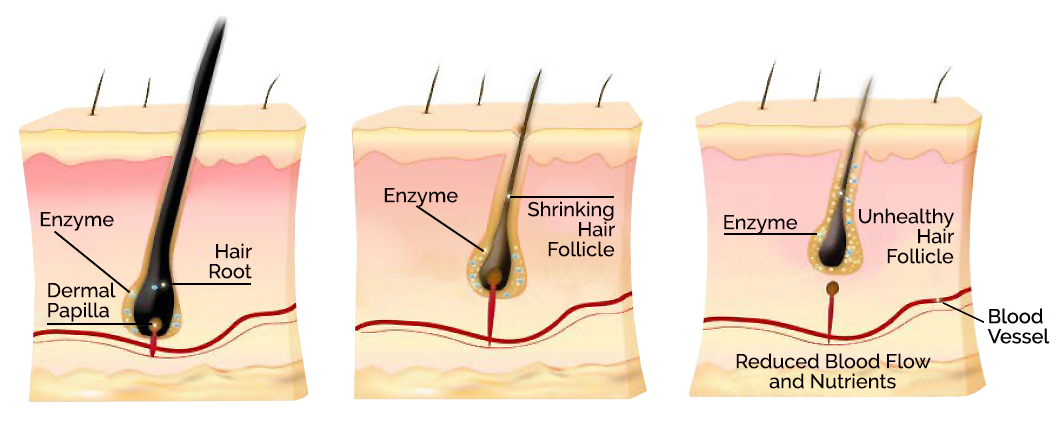
Androgenetic alopecia can occur at any age after puberty, but it’s most common in postmenopausal women. Advancing age and a family history of the condition are two of the primary risk factors. As for psychological stress, the link is less well-defined.
Seasonal hair loss: What causes it and treatments to help - TODAY
Seasonal hair loss: What causes it and treatments to help.
Posted: Fri, 12 Apr 2024 07:00:00 GMT [source]
Medical Professionals
Because it’s a vasodilator, caffeine may also help improve blood flow to your scalp, promoting hair growth. There’s some research to suggest that caffeine may help with hair growth and slow down hair loss. In a small 2014 study, 11 participants saw 30% more growth in thinning areas after 4 PRP sessions.
If possible, talk with your doctor to address your concerns and rule out any serious underlying medical concerns that may be causing your hair loss. In addition to losing hair on the scalp, some people with alopecia areata lose hair from their eyebrows, eyelashes, or other parts of the body. Hair loss related to androgenic alopecia tends to happen gradually. While some people might experience hair loss as early as puberty, others might not notice symptoms until their middle ages. Trying to tell if you’re actually losing hair or just experiencing some normal shedding? Read on for more information about hair loss and how to manage it.
Is hair loss permanent?
You may need to see a dermatologist (a doctor specializing in skin, hair, and nails) who can tell you whether you are experiencing hair shedding, hair loss, or both. Excessive hair fallout from taking medication is usually temporary. Hair may stop shedding when you stop taking the medication. If you believe medications are causing your hair to fall out, talk to your healthcare provider about changing dosages or finding an alternative medication.
Age-related hair loss differs from hair loss caused by an increase in androgens because it is not influenced by hormones. Instead, aging causes your hair follicles to eventually stop growing hair. Going gray also changes the structure of your hair as it loses pigment that gives you hair color. The result is graying hair that eventually turns into fine, white hair. People with normal hair growth usually lose 50 to 100 hairs a day. However, if your hair is thinning or falling out in clumps, something isn't quite right.
CCCA and LPP fall under the umbrella of lymphocytic scarring alopecia. There are several reasons why you might be losing your hair. According to Agbai, genetics, hormonal shifts, stress, underlying medical conditions, nutritional deficiencies, and scalp inflammation are notable factors.
Men tend to notice a receding hairline and patches of hair loss on the top of the head. However, the cycle can be disrupted by the likes of aging and hormonal changes, such as menopause. As you age, some follicles no longer grow new hair, leading to a thinner look or bald patches.



No comments:
Post a Comment