Table Of Content
A scalp infeciton can lead to scaly and sometimes inflamed areas on your scalp. Minoxidil may irritate your scalp and cause dryness, scaling, itching and/or redness. It is typical for a certain amount of hair — usually around 100 strands — to fall out every day. If ringworm does not heal by itself, a doctor may prescribe an antifungal medication such as griseofulvin. Treatment for this condition depends on the cause but may include a topical solution of minoxidil (Rogaine). You'll soon start receiving the latest Mayo Clinic health information you requested in your inbox.
What Causes Hair Loss in Men?
That said, there are a number of possible medications and treatments for hair loss caused by female-pattern baldness and other alopecias. Another cause of hair loss is called telogen effluvium (TE), which is typically temporary. According to the American Academy of Dermatology (AAD), TE isn’t actually defined as “hair loss,” but rather as excessive hair shedding. As with medical conditions, physical changes that stress the body, especially if they cause hormonal changes, can lead to excessive hair shedding. This usually happens a few months after the stressor occurs and stops when the body's hormone levels have readjusted.
Trademark Notice

But if your follicles become damaged, the hair loss may be permanent. See your dermatologist if you notice this type of hair loss. The sooner you start treatment, the better the chances for hair regrowth.
What illness causes hair loss?
Why Am I Losing So Much Hair? - InStyle
Why Am I Losing So Much Hair?.
Posted: Fri, 26 Jan 2024 08:00:00 GMT [source]
The doctor might reduce the dosage or switch the person to a different medication. If a person has this condition, they should contact a doctor. A doctor may recommend corticosteroid injections to the scalp or prescribe other medication to help the hair grow back. According to the NHS, most forms of hair loss don’t need treatment. That’s because a lot of hair loss is either temporary or natural due to aging. Around 90 percent of your hair is in the anagen stage at once, and this growth phase can last for years.
With new techniques, many women benefit from hair transplantation surgery. But there are risks, including infection or shock that can cause hair to fall out of the transplanted areas. In hair transplant surgery, pieces of scalp tissue with the hair attached are typically taken from one area of the scalp and moved to areas of baldness. Menopause can also lead to uncomfortable systemic symptoms such as night sweats, weight gain, and vaginal dryness, which may raise your overall stress levels. Alopecia means “hair loss.” There are many different types of alopecia, in addition to androgenetic alopecia. There are many other potential causes of hair loss in women.
Chronic health conditions
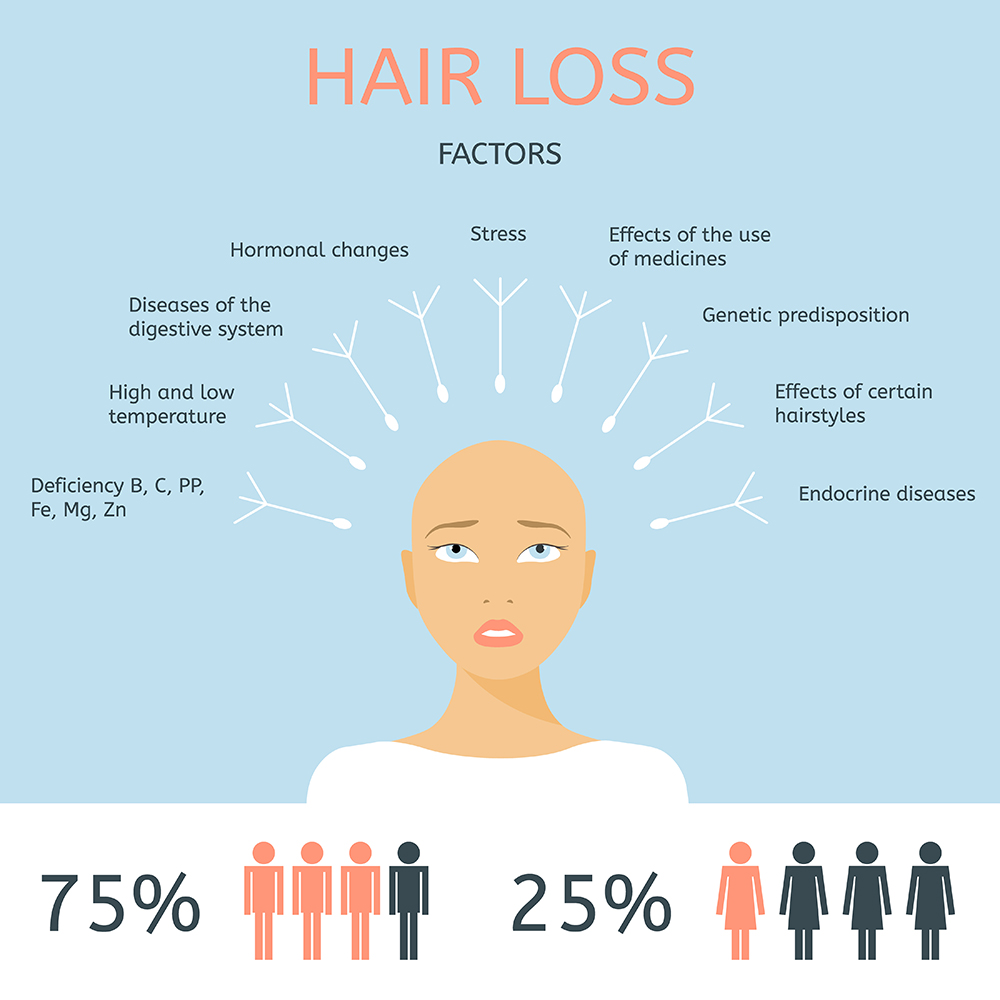
And early treatment of alopecia may reduce the speed of thinning and promote regrowth. A healthcare provider can tell you more about what to expect in your situation. Male and female pattern baldness are the main cause of hair loss. However, lifestyle factors, such as frequent tight hairstyles, and medical conditions, such as alopecia, can also cause hair loss. The most common cause of female hair loss worldwide is female pattern baldness, which is also called androgenetic alopecia . This type of hair loss has a strong genetic component and can be inherited from either your mother or father.
Can hair loss in women be prevented?
People with PCOS hair loss typically take the oral medication spironolactone to help regrowth. Hormonal birth control may also be prescribed to help lower testosterone levels causing hair loss. An excessive amount of hair fallout is known as telogen effluvium.
Unless you have extremely oily hair, consider washing your hair only every other day or less. Hair transplant surgery involves moving small plugs of skin, each with a few hairs, to bald parts of your scalp. Over-the-counter (OTC) medications generally consist of topical creams, gels, solutions, or foams that you apply directly to the scalp. The most common products contain an ingredient called minoxidil.
Permanent hair loss results from progressive damage to your hair follicles, which are the structures in your skin that house and grow your individual strands of hair. Your body’s own immune system attacks your hair follicles, causing small patches of hair to fall out. There’s no pain or sickness involved, and it’s not contagious. Your hair may grow back, but it may fall out again, too.
If you're losing hair while pregnant, ask your doctor if you might have a dietary deficiency. Beyond that, age, hormones, stress, and even the way you style your hair can lead to hair loss. Some women may even notice hair growth changes after going off hormonal birth control pills. Hormonal changes of any kind, particularly falling estrogen levels, can temporarily disrupt the hair life cycle. This type of hair loss occurs slowly, over the course of several months or years. Aside from genetic male pattern baldness, men can lose hair as their hormonal composition changes with age.
By addressing the underlying cause and making some lifestyle changes, you may be able to stop or prevent hair loss. Transplants may be successful for some people depending on the cause of the hair loss. But you’ll need enough hair to donate to the transplant, and you’ll need to wait several months for it to grow.
If your hair starts to thin or fall out in clumps, call your healthcare provider or dermatologist. They can help you figure out what is causing hair loss and how to help treat the root issue. With this type of hair loss, your follicles gradually shrink and the growth cycle is shortened.
Hair loss can occur if you wear pigtails, braids or cornrows, or use tight hair rollers. Our experts continually monitor the health and wellness space, and we update our articles when new information becomes available. Both overactive and underactive thyroids can make hair fall out in clumps. It can also go hand-in-hand with autoimmune conditions, like alopecia. Stress — like that from a traumatic event, a health issue (like surgery), rapid weight loss, or pregnancy — can be a big factor in telogen effluvium.


No comments:
Post a Comment